GetYourGuide
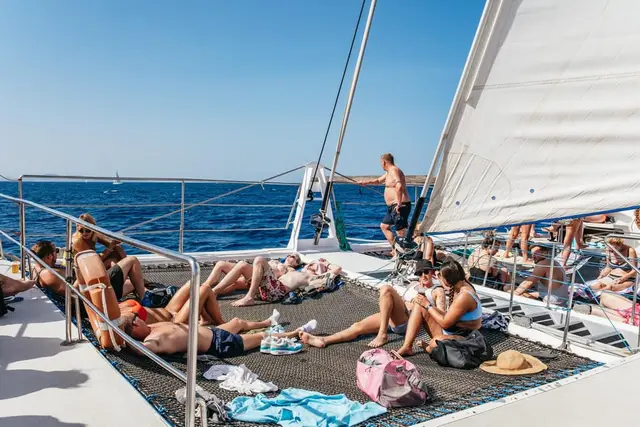
Lanzarote: Day Trip to the Papagayo Beaches by Catamaran
4.4 (1,123)
from €66Check availability
Whole islandBeach guide · whole island
The best beaches in Lanzarote fall into three areas: the Papagayo coves in the south (€3 per car, card only), the white pools of Caletón Blanco in the north, and the town beaches with facilities in Playa Blanca, Puerto del Carmen and Costa Teguise. Famara is for looking at and surfing, not for a careless swim.
Updated 5 October 2026Facts checked against official sourcesContains affiliate links
6 options · Prices checked on 5 October 2026
GetYourGuide
4.4 (1,123)
from €66Check availability
GetYourGuide
4.7 (1,148)
from €29Check availability
GetYourGuide4 hours
4.8 (428)
from €85Check availability
GetYourGuide2 - 4 hours
5.0 (293)
from €50Check availability
GetYourGuide6 hours
4.6 (2,110)
from €66Check availability
GetYourGuide1.5 - 3 hours
4.7 (415)
from €35Check availability
Lanzarote's beaches are nothing alike: white sand and still water in the southern coves, turquoise pools between black lava in the north, five kilometres of surf at Famara and long town beaches lined with sunloungers in the resorts. Choosing well comes down to three things: do you want facilities (showers, lifeguards, a beach bar), are you travelling with children, and which way the wind is blowing that day.
Here are all the ones worth the trip, cove by cove, with what it costs to get there, what they lack and who they suit. If you are looking for somewhere to stay near the sand, see also the guides to Playa Blanca, Puerto del Carmen and Costa Teguise.
Papagayo is a string of coves of fine white sand inside the Los Ajaches Natural Monument, next to Playa Blanca, in the municipality of Yaiza. The Los Ajaches basalts are up to 15.5 million years old: the oldest lavas on the island, which is why the landscape is soft brown hills, quite unlike the young lava fields of Timanfaya.
All of them have calm water and a lot of visitors, and none has a lifeguard according to the council's listing. These are the measurements Yaiza publishes:
| Cove | Size | What's there |
|---|---|---|
| Playa Mujeres | 395 × 85 m | The largest; car park, cleaning and bins; anchorage zone |
| Playa de la Cruz (del Pozo) | 320 × 60 m | Undeveloped; anchorage zone |
| Playa de la Cera (Cerita) | 105 × 30 m | Undeveloped; anchorage zone |
| Playa El Papagayo | 120 × 15 m | Undeveloped, the one that gives the area its name; anchorage zone |
| Playa Puerto Muelas | 130 × 10 m | Undeveloped; naturist |
| Caleta del Congrio | 130 × 10 m | Rustic; naturist; bins |
| Caletón de San Marcial | 35 × 6 m | Isolated, on foot only; naturist |
Playa Mujeres is the only one with parking and cleaning in the official listing, and the widest: if you arrive late in high season, this is where you will most easily find space. Playa El Papagayo is the postcard, small and tucked between cliffs, and it fills up before any other. Puerto Muelas and Caleta del Congrio are the naturist coves; the tiny Caletón de San Marcial can only be reached on foot.
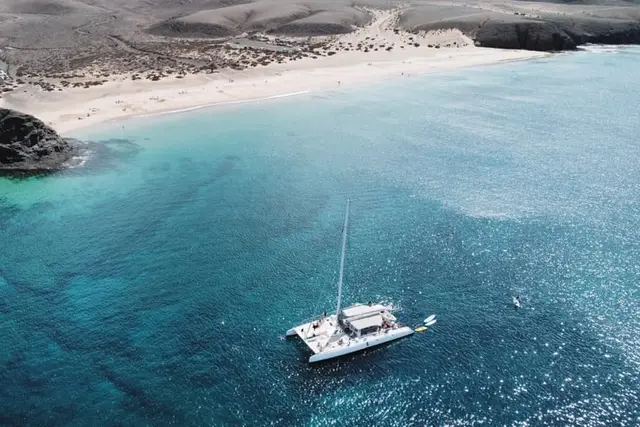
What none of them has: showers, shade or lifeguards. Bring plenty of water, a parasol and shoes for the rocks. As they are all anchorage zones, by midday you will see catamarans moored offshore.
Entry to the Natural Monument costs €3 per vehicle, payable by card only; Lanzarote residents do not pay, and nor does anyone arriving on foot or by bike. The barrier is only staffed during the day, from 09:00, and with very few staff, so on some days nobody collects the fee; do not count on it and bring your card.
Access is along a dirt track. Before taking a hire car down it, check what your rental agreement says about unpaved roads. Yaiza council also complains about cars leaving the track and driving across the plains; stay on the marked route. The official listing is at https://yaiza.es/playas/playas-punta-del-papagayo/.
The free option is to walk from the Las Coloradas area of Playa Blanca, next to the Castillo de las Coloradas (closed to the public). You also get in free by bike; there are hire shops in Playa Blanca.
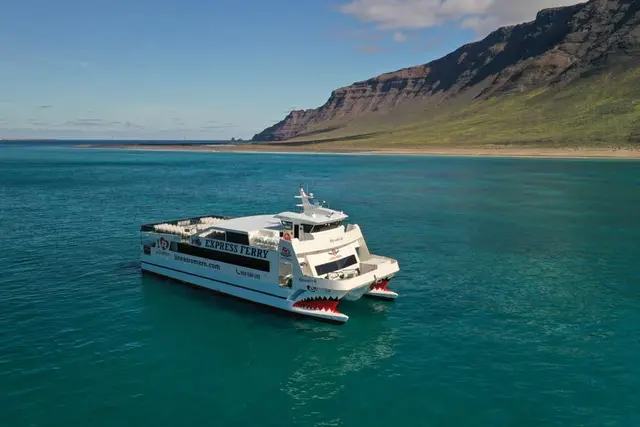
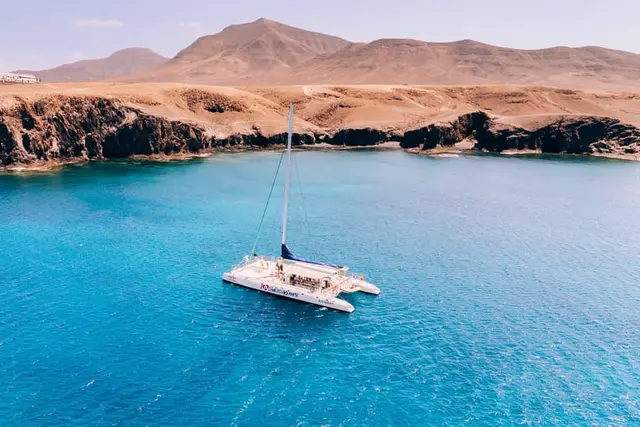
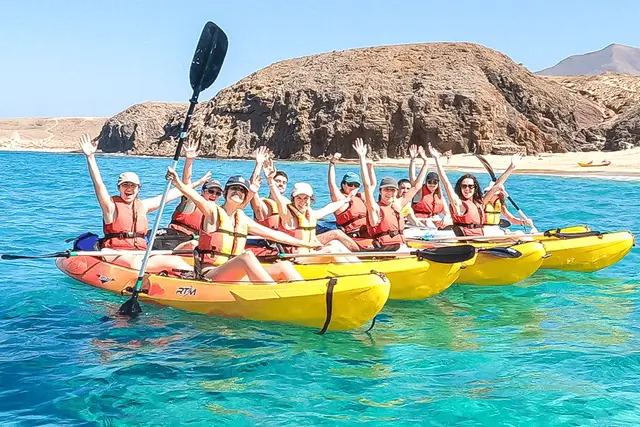
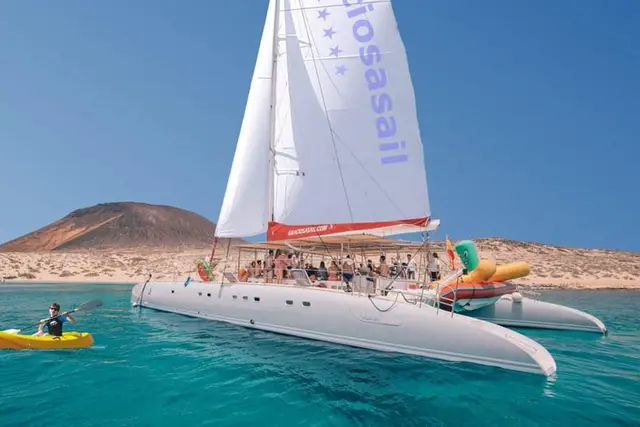
From the sea it looks different. The Líneas Romero mini-cruise leaves from Playa Blanca port and Marina Rubicón, takes about 2 hours and costs €35 (€25 children), against €66 or more for the full-day catamaran. On GetYourGuide there is a mini-cruise to Papagayo with a swimming stop from €35. If you would rather paddle, the kayak and snorkelling tour in Papagayo (from €50, 3.5 hours) is the best rated on the list. Jet skis only reach Papagayo from Marina Rubicón; we explain this under jet skis, and the other boats under boat trips.
GetYourGuide3.5 hours
4.8 (502)
from €50Check availability
GetYourGuide10 minutes
4.8 (244)
from €55Check availability
GetYourGuide6 hours
4.4 (1,186)
from €72Check availability
See all on GetYourGuide →Prices checked on 5 October 2026
Caletón Blanco is a series of natural coves with white sand and turquoise water on the road between Órzola and Arrieta, in the municipality of Haría. The sand is very pale because it is made of fragments of calcareous algae, and it contrasts with the black lava walls that enclose each pool. The sea is usually calm and the Cabildo (island government) presents it as good for families.
Getting there: it is next to the LZ-1, at around kilometre 30, with free parking on the verge. By guagua (bus), line 9 Arrecife–Órzola (five departures a day) has a stop about 1.2 km away.
When to go: best in the morning on a falling tide, when the pools are still and shallow. On very big tides (coefficient above 100) the water covers the pools and the beach loses its charm. Check the tide table before driving up north.
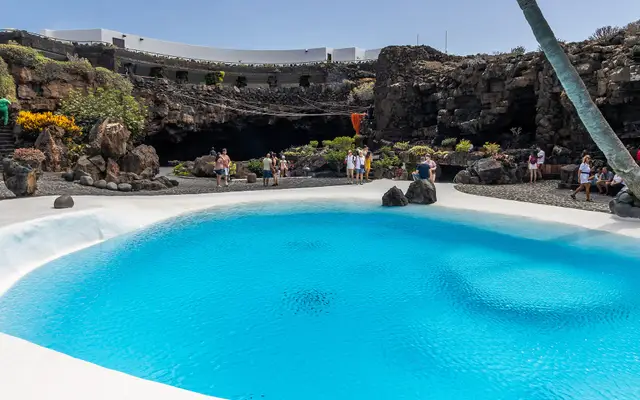
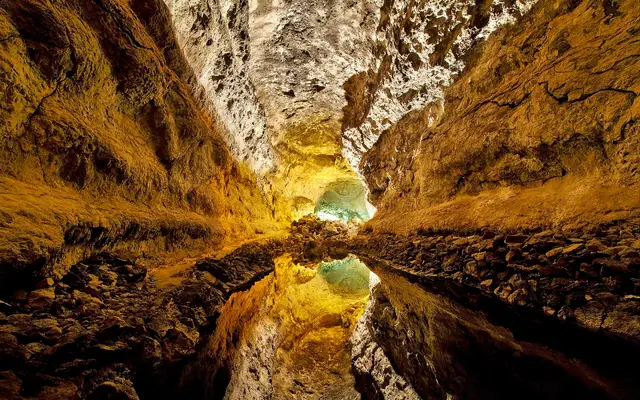
It combines well with the rest of the north: Mirador del Río, Jameos del Agua or the Cueva de los Verdes. It is all in the guide to the north of Lanzarote. Beyond Órzola lies La Cantería beach, beautiful from above but with strong waves and currents: the Cabildo advises against swimming.
The Playa Blanca coast has the calmest town beaches in the south, with a seafront promenade and bus 6 stopping at all three.
Beyond Flamingo, the Montaña Roja coast continues with La Mulata (80 m, sand, gravel and pebbles), La Campana (140 m) and Montaña Roja (260 m). Off Las Coloradas, at a depth of 12–14 m, lie the sculptures of the Museo Atlántico: it has not operated as a museum since 2020, but dive centres still take divers and snorkellers there. We cover it under diving.
Puerto del Carmen's Avenida de las Playas strings together several kilometres of golden sand and calm water, with bars and shops across the road.
Playa Grande (or Playa Blanca de Tías) is about 1,190 m long and is the town's classic family beach. Los Pocillos is over a kilometre long, with sunloungers, toilets and parking, followed by Matagorda. All three, together with Pila de la Barrilla, have a Blue Flag: four in a row, which won it back after losing it for a year.
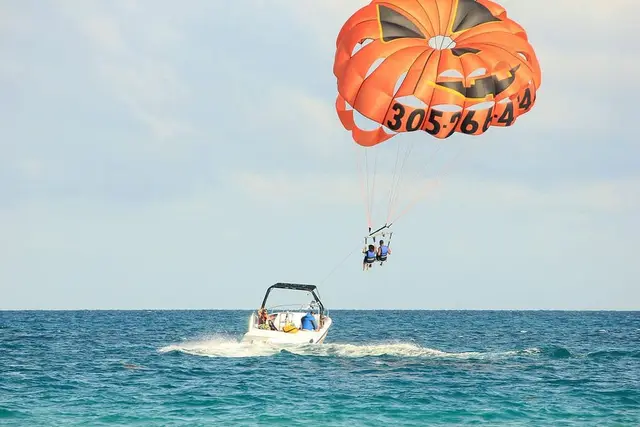
Playa Chica is something else: a small cove by the old harbour that is one of the island's main dive sites. The house reef drops from 10 to 18 m, and you can see seahorses, rays and angel sharks there without needing a boat. It is also the base for jet skis and parasailing. Note: Playa Chica does not have a Blue Flag, although some local press include it on the list.
Between Puerto del Carmen and Puerto Calero runs the Líneas Romero water bus: €11 a trip, the cheapest way to see the coast from the water.
Playa de Las Cucharas is Costa Teguise's main beach: about 650 m of fine, light-brown sand, sheltered by breakwaters, usually calm and with the best facilities in town. It is the windsurfing bay: several schools work on the beach and the north-easterly wind comes in side-on. If you have small children, stay at the northern end, away from the water-sports area.
El Jablillo is the quieter alternative: white sand and still water behind a breakwater, with try-dives. Playa Bastián has light-brown sand, stone walls, steps and gardens, with bars on the promenade. Further north, on the Teguise coast, Charco del Palo is a naturist village with no beach, where people swim in rock pools.
Famara beach runs for more than 5 km, from the village of Caleta de Famara to the foot of the Risco cliffs, inside the Chinijo Archipelago Natural Park. Behind it are dunes; in front, the northern islets. At low tide the wet sand acts as a mirror, and at high tide part of the beach disappears. The Cabildo recommends walking it when low tide coincides with sunset.
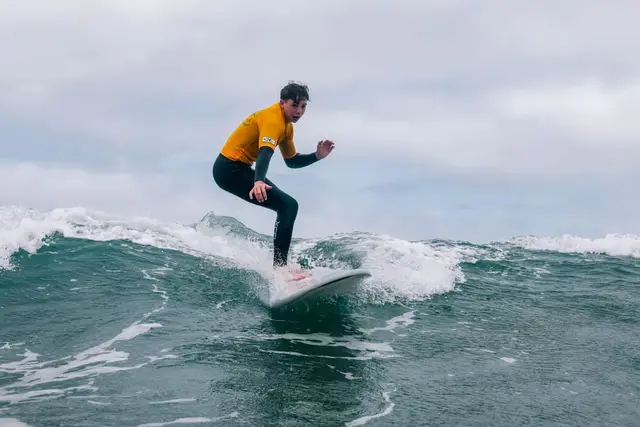
Famara is the island's surf-school beach, with lessons every day of the year. The main wave season runs from October to March (north and north-west swell); in summer the waves are smaller and better for learning. There is also kitesurfing, bodyboarding and windfoiling, and paragliders take off from the Risco. Part of the beach is a naturist area.
The clifftop path (Camino de Los Caleteros) is currently closed since the rockfall of 12 May; do not try to climb that way. You will find alternative routes under hiking. To get there without a car: bus 20 from Arrecife (weekdays) or 31 from Costa Teguise, which has more departures on Sundays.
El Reducto, in Arrecife, is a 500 m town beach of fine golden sand, protected by a reef that shows at low tide. It has a promenade, facilities and a Blue Flag. But it has been closed to swimming several times because of sewage spills: it was shut for months, reopened in spring and closed again in September. It is currently open (it reopened on 25 September), but check its status with Arrecife council on the day you go.
Playa Quemada, in south-east Yaiza, is the quiet escape: 310 × 8 m of gravel and pebbles, calm water, few people and parking. From there you can walk to isolated black-sand coves: La Arena (85 m), Los Pozos (345 m), Valle de la Casa (105 m), El Parrado (280 m) and La Fuentecita (60 m). Do not expect facilities. Some catamarans leaving Puerto del Carmen anchor at El Poril, on this same coast.
| Playa Blanca | Puerto del Carmen | Costa Teguise | Arrecife | |
|---|---|---|---|---|
| Playa de Papagayo | 14 min9 km | 40 min30 km | 51 min45 km | 44 min38 km |
| Caletón Blanco | 68 min67 km | 47 min47 km | 32 min31 km | 34 min34 km |
| Playa de Famara | 50 min43 km | 32 min28 km | 27 min23 km | 24 min23 km |
| Playa Quemada | 21 min19 km | 18 min15 km | 29 min30 km | 23 min23 km |
Driving time without traffic, calculated with OSRM on OpenStreetMap. Add 20–30 % in summer and at rush hour; at Timanfaya the queue of cars at the gate can add a lot more.
On ADEAC's official Blue Flag list, Lanzarote has six beaches:
| Beach | Municipality |
|---|---|
| El Reducto | Arrecife |
| Playa Grande (Blanca) | Tías (Puerto del Carmen) |
| Matagorda | Tías |
| Pila de la Barrilla | Tías |
| Los Pocillos | Tías |
| Playa Blanca (town beach) | Yaiza |
Four marinas and harbours also have one: Marina Puerto Calero, Playa Blanca port, Órzola and Caleta de Sebo (La Graciosa).
The practical upshot: the beaches famous for being wild (Papagayo, Famara, Caletón Blanco) have no flag and no facilities. If you want showers, lifeguards and toilets, start with this list.
The easiest: Flamingo and Dorada in Playa Blanca, Playa Grande and Los Pocillos in Puerto del Carmen, Las Cucharas (northern end) and El Jablillo in Costa Teguise. All have calm water, facilities and a bus stop nearby. The natural pools at Punta Mujeres and the pools of Caletón Blanco are a big hit with children, but have no facilities at all. Soap and shower gel are not allowed in beach showers. More ideas in Lanzarote with kids.
The easiest is Playa Chica in Puerto del Carmen: Safari Diving runs a 2-hour guided snorkel for €39 (ages 6 and up, Monday to Saturday at 15:00) and hires out mask and snorkel for €5. The Papagayo coves, with still water and a clear seabed, are best enjoyed from a kayak or an anchored boat. And you can snorkel over the Museo Atlántico sculptures, off Las Coloradas, with a dive centre. It is all under diving and snorkelling.
Famara is the surf beach (schools in Caleta de Famara from about €50 for a group lesson, compared in Famara surf schools; Lanzarote's first surf school has 2- or 4-hour lessons from €50). Las Cucharas is the bay for windsurfing and wing foiling, with wind mainly from March to September. Kitesurfing is learnt at Famara, not Costa Teguise. Details in water sports.
The official ones are Puerto Muelas, Caleta del Congrio and Caletón de San Marcial in Papagayo; Charco del Palo on the Teguise coast; and a section of Famara beach.
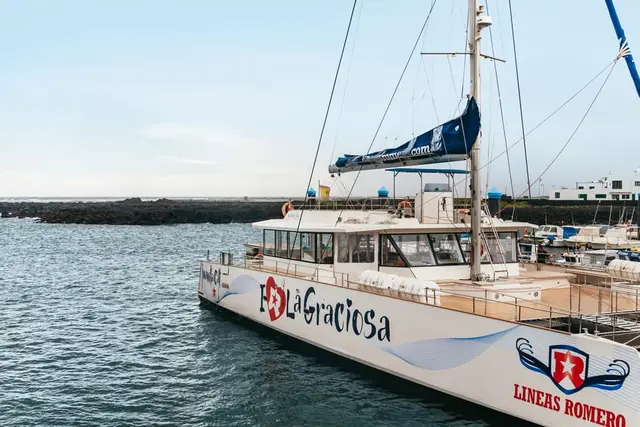
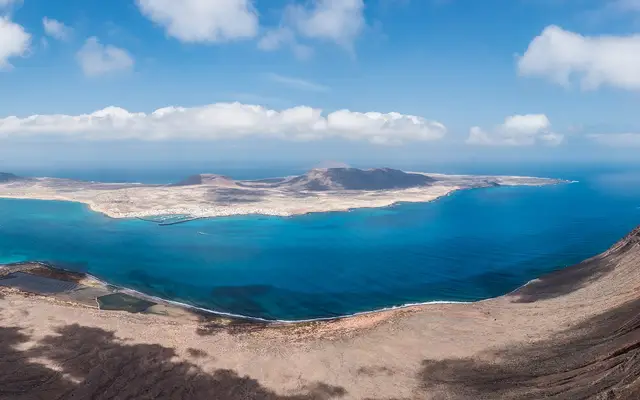
From Órzola, about 25 minutes by ferry, you reach La Graciosa. Playa Francesa is the one for swimming: sheltered, small waves, no facilities (bring water and sun cream). La Cocina is 10–15 minutes' walk further on, with no shade or bar. La Laja, next to the harbour, is the one for children. Playa de las Conchas, the postcard beach, is not for swimming: big waves and dangerous currents. The return trip costs €29 with either of the two ferry companies, Líneas Romero or Biosfera Express; more in La Graciosa.
| Platform | Product | Rating | Price | Where |
|---|---|---|---|---|
| GetYourGuide | Lanzarote: Ferry to La Graciosa with Wi-Fi (free parking) | 4.7 (1,148) | €29 | See on GetYourGuide |
| Tiqets | La Graciosa: Ferry from Lanzarote | 4.7 (7) | €29 | See on Tiqets |
| Official | Return on the ferry line's website | — | €29 | Official site ↗ |
Adult price, checked on 5 October 2026. Platforms change prices daily: confirm before you pay.
€3 per vehicle, payable by card only. Lanzarote residents do not pay, and nor does anyone arriving on foot or by bike.
By car on the LZ-1 between Arrieta and Órzola, at around kilometre 30, with free parking on the verge. By bus, line 9 Arrecife–Órzola stops about 1.2 km away.
For photos and still water, the Papagayo coves. For children with facilities, Flamingo or Playa Grande. For surfing, Famara. For a different kind of swim in the north, Caletón Blanco on a falling tide.
El Reducto, Playa Grande, Matagorda, Pila de la Barrilla, Los Pocillos and the small town beach in Playa Blanca. Papagayo, Famara and Flamingo do not.
Yes, it can be: the currents and waves are strong and there have been drownings. Swim only near Caleta de Famara or where there are lifeguards, and never on the central stretch.
No. Flamingo is a 200 m semi-urban beach west of Playa Blanca, with showers, sunloungers and bus 6. The Papagayo coves are inside the Los Ajaches Natural Monument, are reached by a dirt track and have no facilities.
Booking calendars The GetYourGuide and Tiqets calendars are loaded by those companies and may use cookies. This site uses no cookies of its own and no analytics. More information